The Spotify Story: Turning Piracy into Profit
Discover how Daniel Ek's vision turned Spotify into the default music platform by making legal music easier than piracy.
How Piracy Nearly Destroyed the Music Industry
In 1999, the music industry was booming with recorded music sales hitting around $14.5 billion in the United States. But by 2009, those numbers had plummeted to roughly $7.7 billion, thanks to rampant piracy. Platforms like Napster had trained a generation to expect free music, leaving the industry struggling to adapt.
Why Lawsuits Failed to Stop Piracy
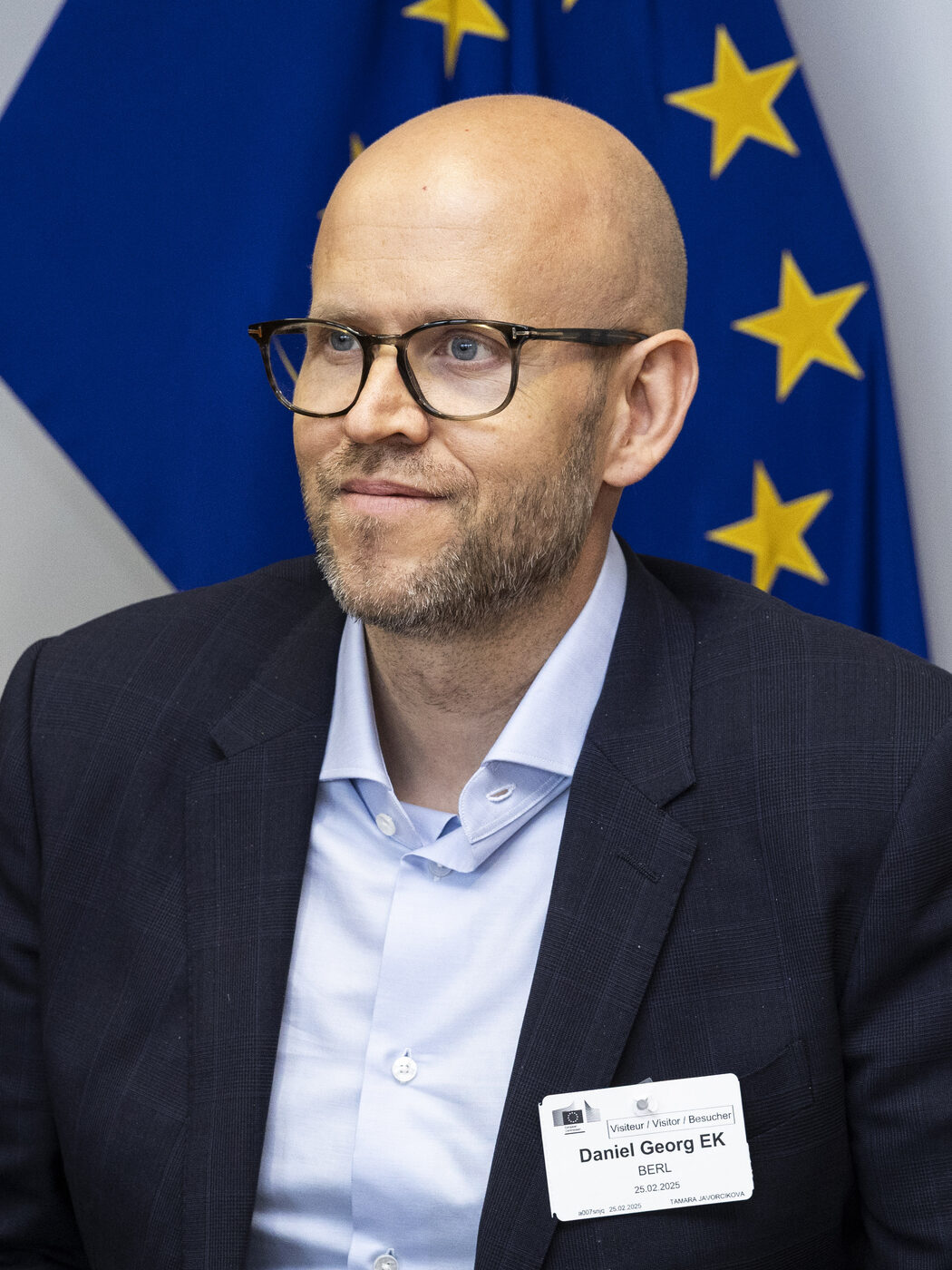
Faced with declining sales, the music industry turned to lawsuits, targeting not just the platforms but their own customers. Yet, this approach failed to stem the tide. Enter Daniel Ek, a Swedish programmer who saw that piracy thrived not because people were inherently dishonest, but because it was the easiest option available.
Daniel Ek's Vision: Convenience Over Punishment
Daniel Ek, alongside Martin Lorentzon, co-founded Spotify in 2006 with a groundbreaking idea: create a service better than piracy that still compensated artists. According to Ek, the goal was to offer 'any song, instantly, legally, with less friction than a pirated download.'
The Challenge: Negotiating with Terrified Labels
The hardest part of building Spotify wasn't the technology, but convincing music labels to join. These labels, once burned by the internet, were wary of a free model. It took years of negotiations before Spotify launched publicly on October 7, 2008, offering a freemium model that converted pirates into paying listeners.
Why Spotify Became the Default Music Platform
Spotify's model made stealing music unnecessary. With nearly every song available for free or for a small monthly fee, the legal option became the lazy one. Over time, Spotify grew into a global phenomenon, transforming the industry it once threatened by creating a subscription-based model that worked.
Applying Spotify's Lesson to Your Business
The key takeaway from Spotify's success is simple: make the right choice the easy choice. Consider your own business: are there areas where potential customers choose a competitor simply because it's easier? By removing friction and simplifying the customer journey, you can become the path of least resistance.
Frequently asked
How did Spotify succeed against piracy?
Spotify succeeded by making music more accessible and convenient than piracy, offering a user-friendly platform with both free and paid options.
What was Daniel Ek's strategy for Spotify?
Daniel Ek aimed to provide a music service better than piracy, with instant access to songs that also paid artists, thus making legal streaming appealing.
How did Spotify change the music industry?
Spotify transformed the industry by shifting from physical sales and piracy to a subscription-based model, creating a sustainable revenue stream.
Why did music labels initially fear Spotify?
Labels feared Spotify because of past failures with free music online, worrying about losing control and revenue without proper compensation.