From Late Fees to Streaming Success: The Netflix Origin Story
How a $40 late fee sparked the idea that transformed the entertainment industry.
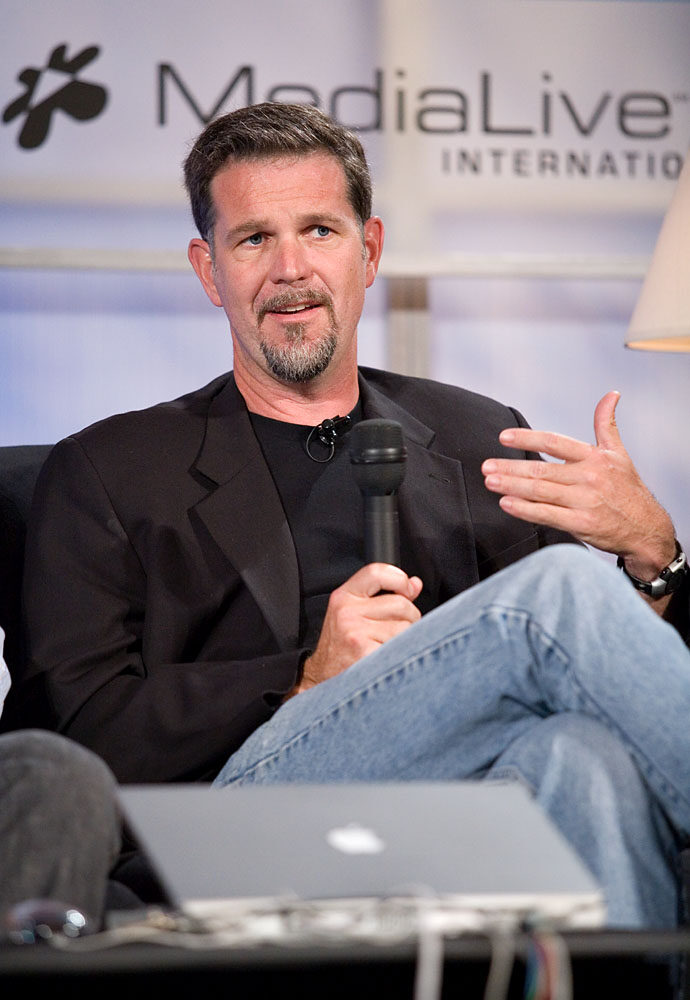
The $40 Late Fee That Started It All
In the late 1990s, Reed Hastings rented the movie Apollo 13 on VHS and promptly lost it behind his TV. When he returned it six weeks later, he faced a hefty $40 late fee. This small but stinging experience sparked an idea in Hastings that would eventually birth Netflix, a company now worth over $400 billion.
Understanding the Customer's Pain
Hastings realized that late fees were not just an inconvenience, they were a pain point that alienated customers. Traditional video rental stores thrived on these fees, but Hastings saw an opportunity to do things differently. He envisioned a service where the customer wouldn't feel punished for being late.
The Subscription Model: A Game Changer
In 1998, Netflix launched with a simple idea: mail DVDs to customers with no due dates and no late fees. By 1999, they introduced a subscription model, allowing customers to keep DVDs as long as they wanted for a flat monthly fee. This model was revolutionary and directly addressed a major customer pain point.
From DVDs to Streaming: Reinventing Entertainment
In 2007, Netflix took another leap by introducing streaming services. This not only eliminated the need for physical DVDs but also allowed instant access to a vast library of content. By solving one problem, Netflix positioned itself at the forefront of a new era in entertainment.
The Power of Eliminating Friction
Netflix's rise underscores a powerful business lesson: every point of friction for customers is a potential opportunity. Hastings didn't invent new technology; he simply refused to accept a flawed system. By removing the pain points associated with video rentals, Netflix paved the way for a more customer-friendly approach.
Applying the Lesson to Your Business
The lesson from Netflix is clear: look for what frustrates your customers and find a way to eliminate it. Whether it's simplifying a process, removing unnecessary fees, or offering more flexibility, there are numerous ways to turn customer pain into business gain.
Frequently asked
How did Netflix start?
Netflix started after Reed Hastings was charged a $40 late fee for a VHS rental, inspiring him to create a customer-friendly subscription service.
What was Netflix's original business model?
Netflix originally mailed DVDs to customers, offering a subscription model with no late fees, allowing customers to keep DVDs as long as they wanted.
When did Netflix start streaming?
Netflix began streaming services in 2007, transitioning from physical DVDs to online content delivery.
What lesson can businesses learn from Netflix?
Businesses can learn to identify and eliminate customer pain points, turning friction into opportunities for innovation and growth.
Why did traditional video rental stores fail?
Many traditional video rental stores failed because they relied on late fees, which alienated customers and were eventually outpaced by more customer-friendly models like Netflix.