The Question That Built Amazon: A Lesson in Risk and Regret
Learn how Jeff Bezos' pivotal decision-making framework can transform your business outlook.
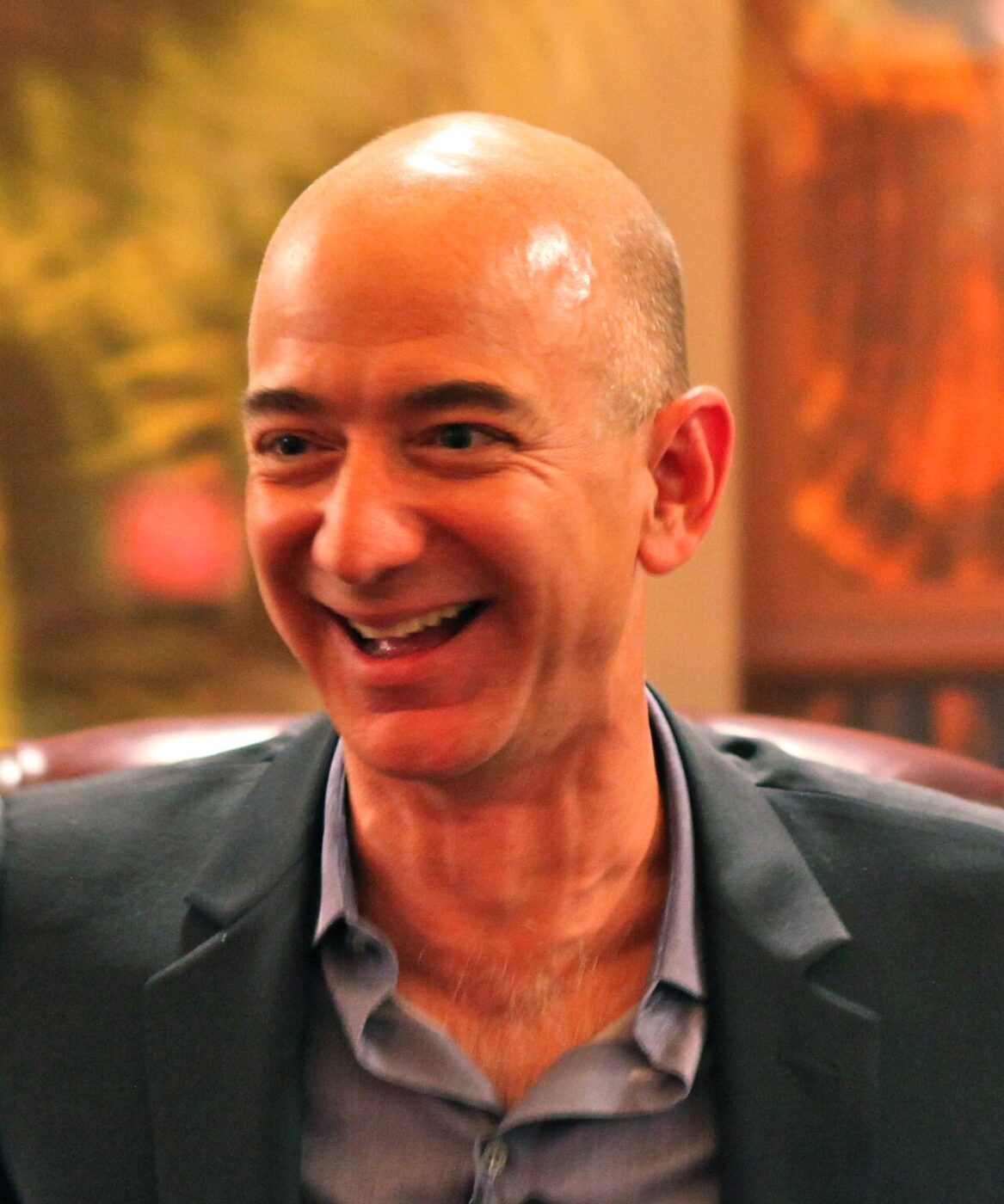
The Safe Path vs. The Big Opportunity
In 1994, Jeff Bezos found himself at a crossroads that many entrepreneurs face at some point in their careers. At just 30 years old, he held a prestigious position at D.E. Shaw, a quantitative hedge fund in New York, with great pay and a clear path to financial security. But the internet's rapid growth caught his attention, presenting an opportunity that was too significant to ignore.
Recognizing the Signal Amidst Stability
Web usage was skyrocketing, and Bezos saw the potential for something massive. He envisioned selling books online, a simple yet groundbreaking idea at the time. However, this meant leaving the comfort and stability of his current job, a decision not easily made when you're on a safe, lucrative path.
The Gravity of Stability
Bezos' decision wasn't easy. His boss at D.E. Shaw offered sound advice: it was a good idea for someone without a stable career. Stability often acts as a trap, where the comfort of the present drowns out the dreams of the future. Many dreams wither because the fear of losing what you have is louder than the fear of never trying.
The Regret Minimization Framework
To navigate this dilemma, Bezos devised what he called the 'regret minimization framework.' He asked himself whether, at 80 years old, he would regret not taking the chance to build something new. His conclusion was clear: he would rather try and fail than live with the regret of never having tried at all.
I knew that if I failed, I wouldn't regret that. But I knew the one thing I might regret is not ever having tried. Jeff Bezos
Lessons in Risk and Regret for Business Owners
The lesson from Bezos' story is not to advocate reckless risk-taking but to understand the nature of regret. At 30, the loss of stability can feel daunting, but at 80, the regrets of unexplored opportunities are often what haunt us. Business owners should consider how their decisions today will resonate with their future selves.
Applying the Framework to Your Business
Ask yourself: what would your 80-year-old self advise you to pursue? This perspective can be a powerful tool in guiding your business choices. When faced with a challenging decision, weigh the potential for regret as much as the immediate risks. This approach can lead to more fulfilling, impactful business strategies.
Frequently asked
What is the regret minimization framework?
The regret minimization framework is a decision-making tool where you imagine yourself at an older age and consider which choice you would regret not making.
Why did Jeff Bezos leave D.E. Shaw?
Jeff Bezos left D.E. Shaw to pursue the opportunity he saw in the rapidly growing internet, specifically to start Amazon by selling books online.
How can the regret minimization framework benefit business owners?
It helps business owners make decisions by considering long-term satisfaction and regret, rather than focusing solely on short-term risks or gains.
What can entrepreneurs learn from Jeff Bezos' story?
Entrepreneurs can learn the importance of balancing risk with the potential for future regret, encouraging them to pursue opportunities that align with their long-term vision.
Is taking risks always the right choice for businesses?
Not always. Businesses should evaluate risks in the context of potential regret and long-term impact, rather than taking risks indiscriminately.